
Diagnostics & Tools
Multiple lenses. One living system. Interpretation before intervention.
Soil systems respond to physical structure, chemistry, biology, and energetic context simultaneously. No single test or tool can explain what a system needs — or what it is ready for.
The Soil Guys use a layered diagnostics framework that integrates standardized laboratory data with in-house, field-based diagnostics to reduce misinterpretation, prevent overreaction, and support better timing and restraint.
A Layered Diagnostics Framework
Observation
Field & Physical Observation
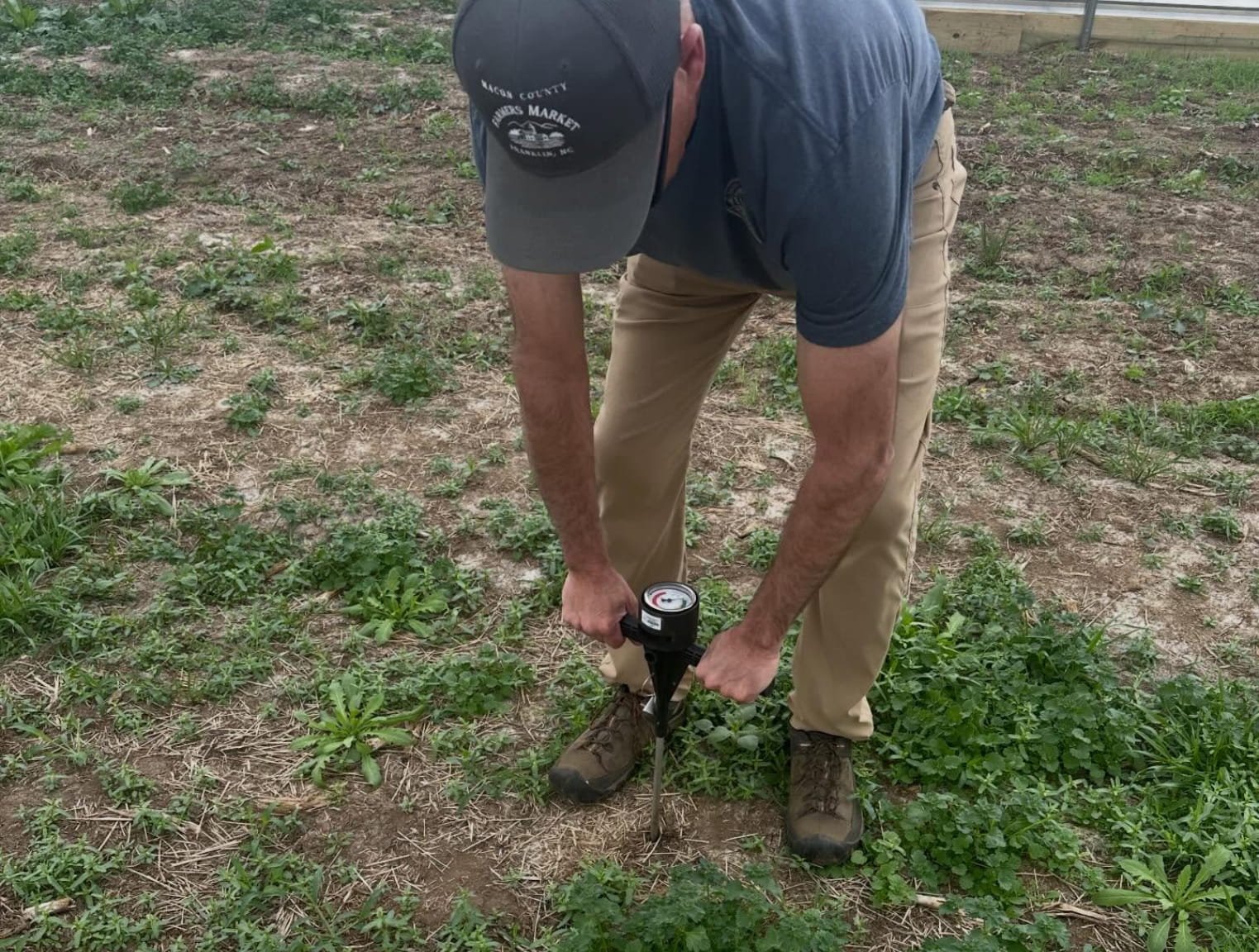
In-House Capabilities
- Soil structure and aggregation assessment
- Infiltration testing (water entry and movement)
- Compaction and penetration resistance
- Rooting depth and restriction evaluation
- Surface residue, cover, and biological habitat assessment
Why this matters:
Physical limitations often override chemical potential. Acting on chemistry without understanding structure can lead to wasted inputs and unintended damage.
Context
Chemical & Electrical Context
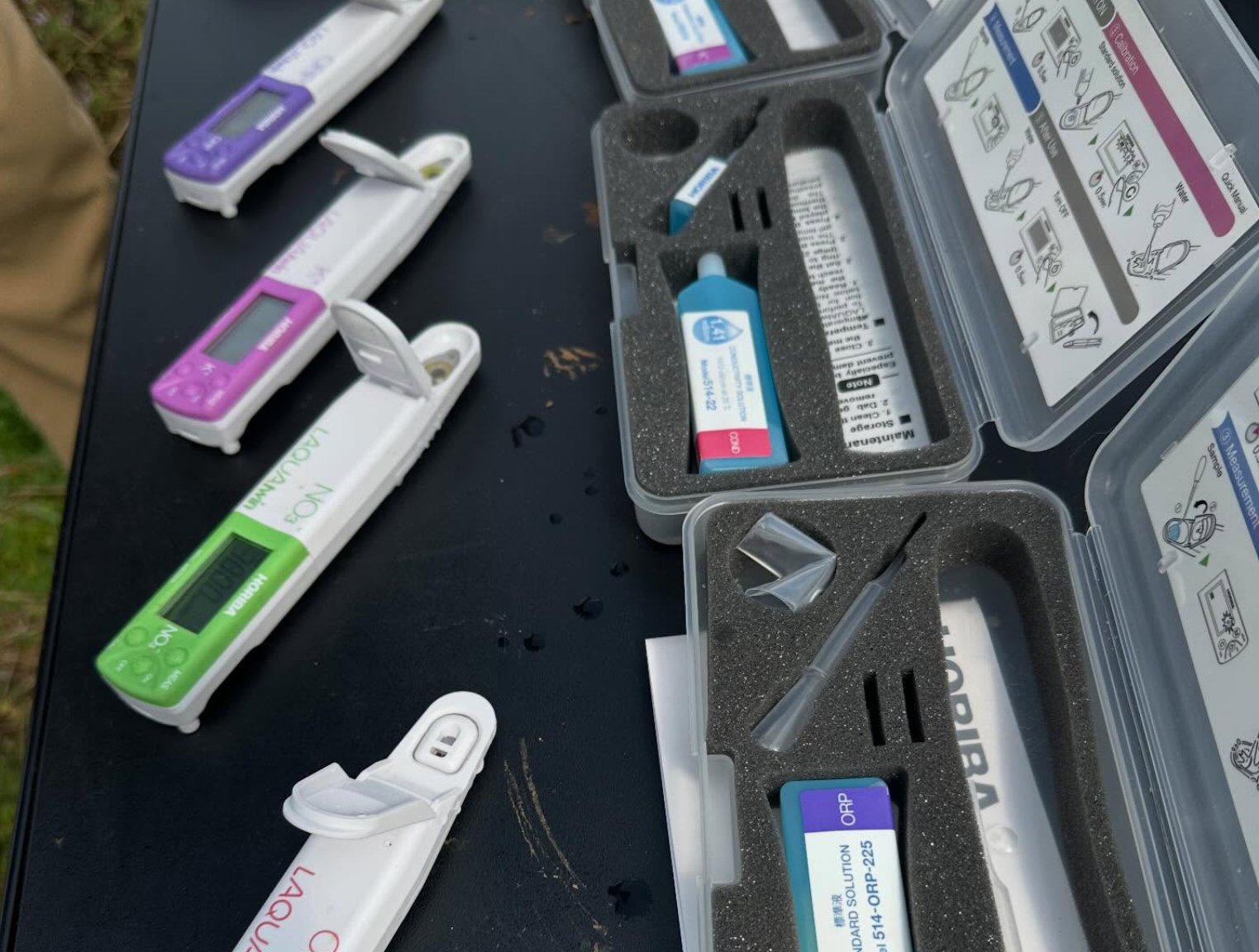
External Baseline Laboratory Tests
The following standardized analyses are performed by accredited soil laboratories and are either provided by the client or coordinated as part of an engagement: – Mehlich‑3 (total nutrient inventory) – Saturated Paste / Base Saturation (solution chemistry, salinity, availability)
These tests establish a chemical baseline. They do not describe biological activity, physical constraints, or energetic behavior.
In‑House Interpretive Diagnostics
- Total vs available nutrient relationships
- Cation balance and antagonism
- Electrical conductivity interpreted in context
- Redox and ion‑mobility indicators
- Interpretation of laboratory extraction limitations
Why this matters:
Strong chemistry on paper does not guarantee biological access or plant response. Acting on laboratory numbers alone often leads to over‑application and unnecessary correction.
Microscopy
Biological Assessment & Live Microscopy
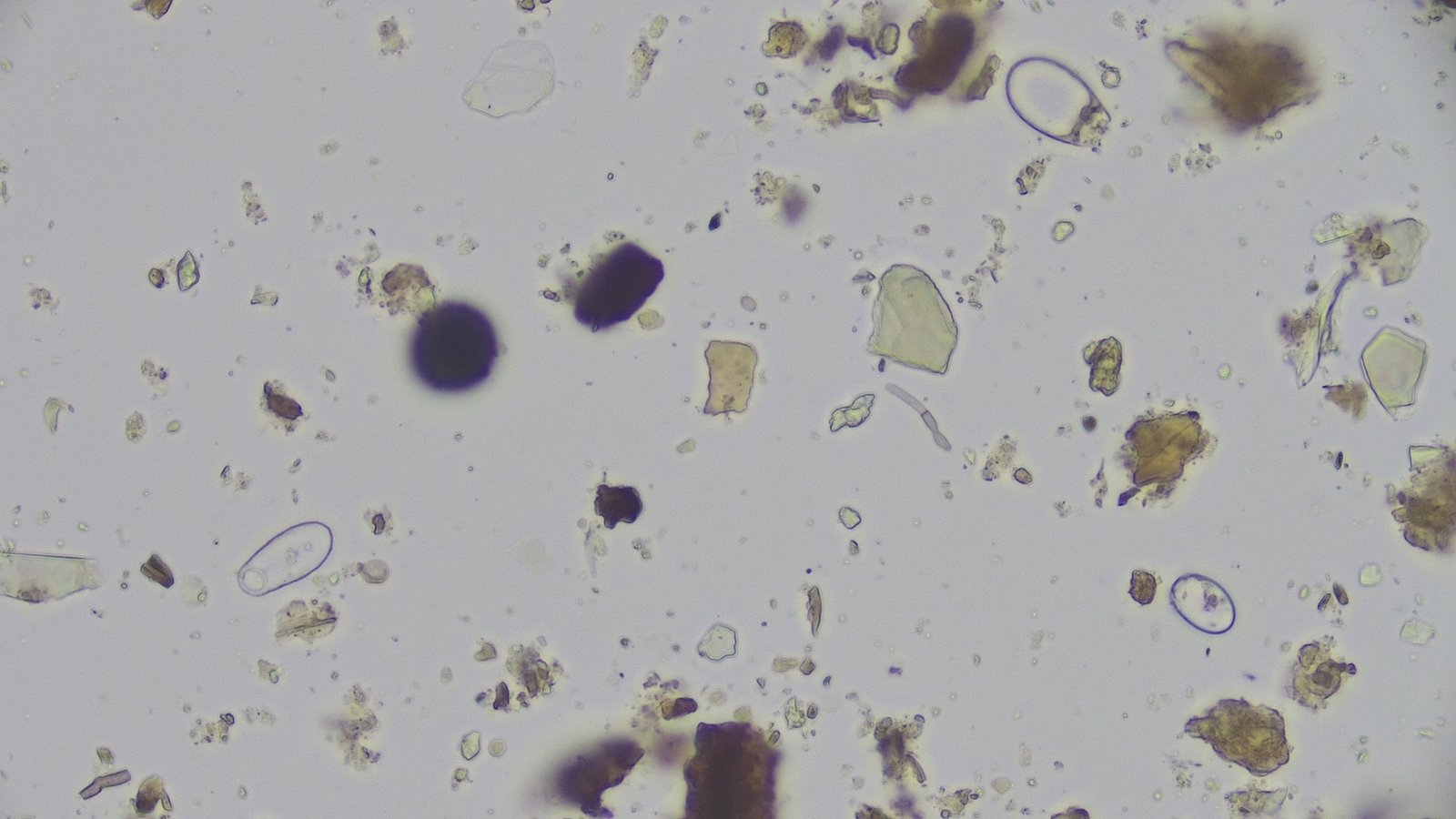
Biology governs nutrient cycling, aggregate formation, and system resilience. Laboratory chemistry cannot measure biological readiness or succession.
In‑House Capabilities
- Live soil microscopy (bacteria, fungi, protozoa, nematodes)
- Compost, extract, and inoculant biological activity snapshots
- Observation of balance and succession rather than numeric scoring
Important framing:
Microscopy provides signals, not prescriptions. It reduces uncertainty — it does not replace judgment.
Microscopy
Compost & Amendment Readiness Evaluation
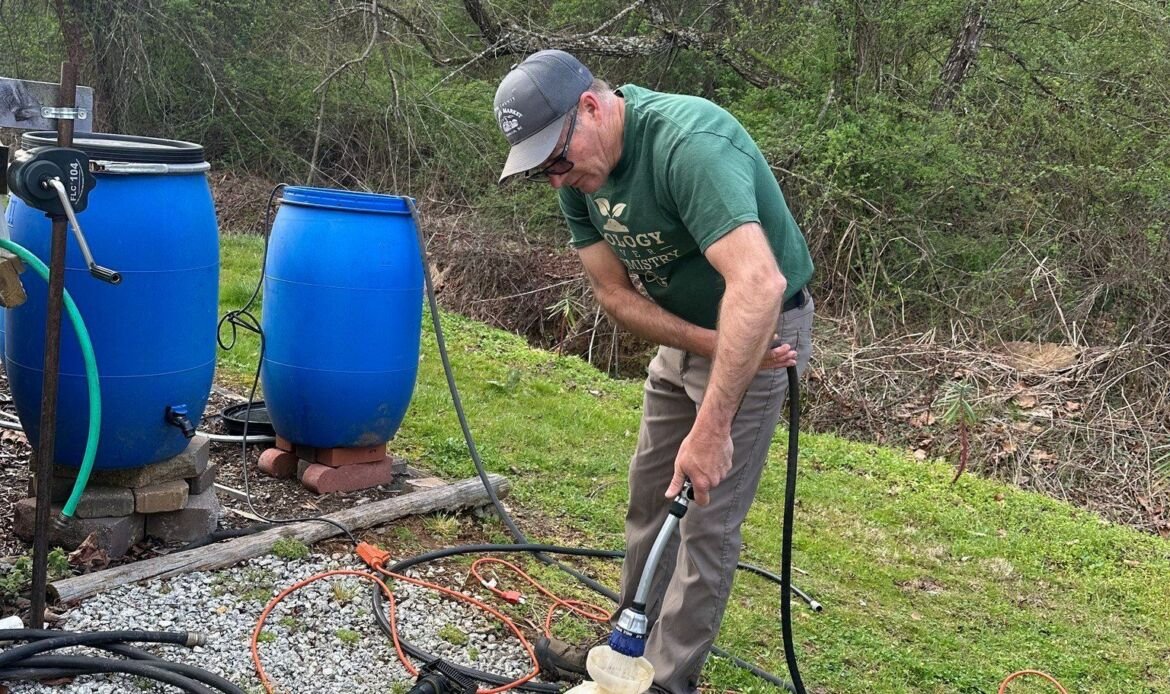
Not all composts, extracts, or amendments are biologically ready or compatible with a given system. Applying materials prematurely can suppress biology, disrupt nutrient cycling, or lock nutrients out of availability.
In‑House Evaluation Focus
- Compost maturity and biological activity
- Compatibility between amendments and soil conditions
- Risk identification prior to application
Why this matters:
Inputs applied without readiness often slow regeneration instead of accelerating it.
What We Do Not Do
Outcomes (Conceptual, Not Guaranteed)
- Better timing of intervention
- Knowing when not to act
- Reduced risk of over‑correction
- Building resilient systems instead of chasing fixes